Iron Locksmiths Service Team
Local locksmith team
May 7, 2026 13 min read
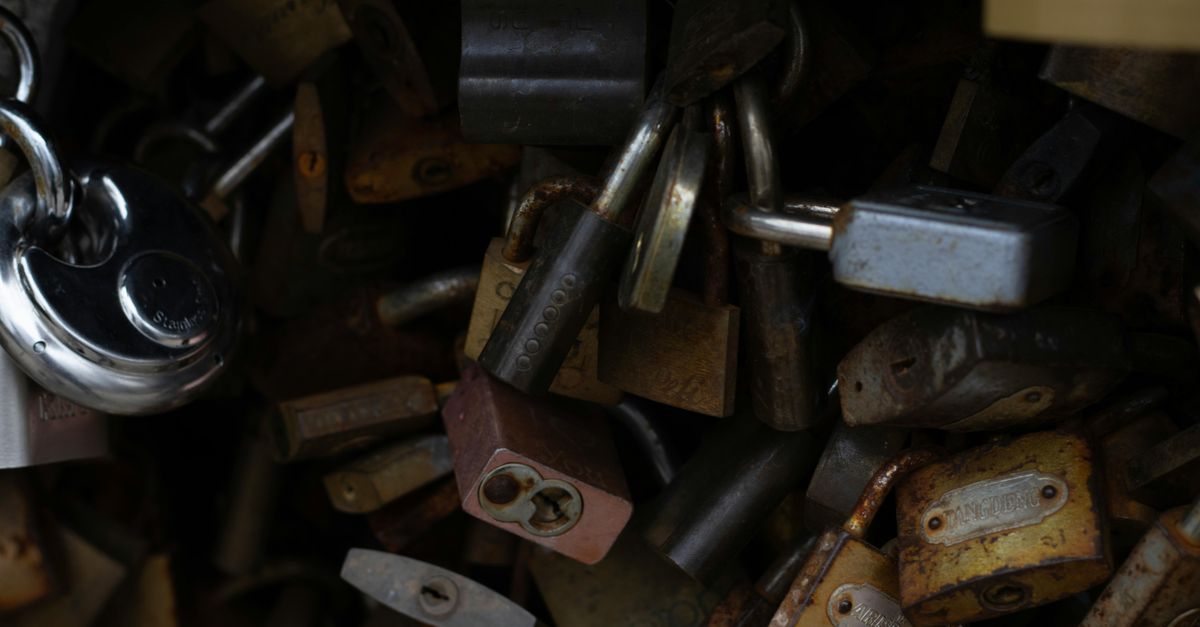
A mortise lock is one of the most robust locking systems you can put on a door — but even the toughest hardware sends warning signals before it quits on you. Homeowners throughout Highland Falls and the surrounding Hudson Valley regularly call Iron Locksmiths because a lock that felt "a little stiff" last week has now left them standing on the wrong side of their front door at midnight. The good news: mortise locks are remarkably communicative if you know what to listen and feel for.
This guide walks you through five specific warning signs that your mortise lock set is heading toward failure, what's likely causing each symptom, and what to do before a minor annoyance becomes a full lockout. Whether you have a decades-old unit on a Victorian home near Main Street in Highland Falls or a newer mortise lock set on an exterior door of a commercial property close to the USMA West Point main gate, these red flags apply — and catching them early is almost always faster and less disruptive than an emergency call-out.
## What Is a Mortise Lock — and Why Does It Fail Differently Than Other Locks?
A mortise lock is a self-contained unit — cylinder, latch, deadbolt, and hardware case — that sits inside a pocket (the 'mortise') cut into the door edge rather than bolting onto the surface. That design gives it exceptional strength and a clean look, which is why you find it on entry doors of older homes, historic commercial buildings, and high-end new construction alike. Popular manufacturers like Baldwin and Corbin Russwin have made mortise lock hardware for generations, and their longevity is a testament to the format. But that internal complexity — gears, cams, springs, and a separate mortise lock cylinder — also means that when wear sets in, it tends to cascade. One failing spring can stress the cam; a worn cylinder can bind the whole bolt mechanism. Unlike a simple knob-and-deadbolt setup, the symptoms rarely stay isolated for long.
What makes mortise lock failure particularly frustrating is the false confidence it creates. The lock may look perfectly fine from the outside right up until the day it doesn't turn at all. That's why reading the early signs matters so much. If you're unsure whether what you're experiencing qualifies as a warning or just normal use, our team at Iron Locksmiths is happy to take a look — call (845) 286-4608 and we'll give you a straight answer.
## Sign #1 — The Latch Sticks, Drags, or Doesn't Retract Cleanly
The spring-loaded latch bolt is usually the first component to show its age in a mortise lock. If you notice you have to push or lift the door slightly to get the latch to retract, or if the latch sticks in the extended position when you turn the handle, the internal spring or cam follower is fatiguing. On a mortise lock set for an exterior door, this symptom is especially common in homes that have settled — even a millimeter of door-frame shift can put the strike plate out of alignment and accelerate latch wear. In the Highland Falls area, seasonal freeze-thaw cycles put real stress on older door frames, making this a particularly common autumn complaint.
A sticking latch is rarely just an annoyance. When the spring finally gives out, the latch won't retract at all, and what started as a ten-second nuisance becomes a genuine lockout. The fix at this stage is typically straightforward — a skilled locksmith can disassemble the mortise case, replace the worn spring or cam, and re-align the strike plate in a single visit. Waiting until it fails completely almost always means more labor and potentially a full lock replacement instead of a targeted repair.
## Sign #2 — The Handle or Lever Feels Loose, Wobbly, or Spins Without Catching
Handles on a mortise lock are connected to the lock case via a spindle. When the set screw backing or the spindle connection wears down, the handle begins to wobble — and eventually spins freely without engaging the latch mechanism at all. You might notice that you have to jiggle the handle to a specific angle before it actually works, or that one side of the door feels solid while the other side feels loose. This is a clear mechanical warning: the spindle connection is deteriorating. On higher-end hardware like a Baldwin mortise lock, the components are precision-machined and generally last longer — but no hardware is immune to decades of daily use, especially in a family home.
A loose handle is also a security concern beyond the mechanical one. A handle that spins can sometimes disengage the latch without the cylinder being turned — meaning your door may not be as secure as you think even when it appears closed. If your handle has developed any play or free-spin, that's not a 'monitor it' situation — that's a 'schedule a service call this week' situation. Our mobile locksmiths carry a range of spindle hardware and mortise case components and can complete most handle-related repairs on-site, without you needing to source parts yourself.
## Sign #3 — The Cylinder Grinds, Catches, or Requires Heavy Key Pressure
Turn your key in the mortise lock cylinder and pay attention to what you feel. A healthy cylinder should turn smoothly with light, consistent pressure from the first degree of rotation to the last. If you feel gritty resistance, a catch at a specific point in the turn, or if you find yourself applying noticeably more force than you did six months ago, the cylinder's internal pins and springs are wearing — or the cylinder housing itself has shifted inside the mortise case. This is one of the most telling pre-failure signs because cylinder failure is binary: one day it turns, the next day it doesn't, often with the key stuck inside. Corbin Russwin mortise lock cylinders, common in commercial and institutional settings, are built to high tolerances — which means when they start grinding, it's worth taking seriously rather than blaming the key.
Cylinder wear is also accelerated by a few habits that are easy to change: using a key ring with heavy fobs that create downward torque on the key blank, lubricating with WD-40 (a degreaser, not a lubricant — use a dry graphite or PTFE spray instead), or having copies made from a copy of a copy until the key profile has drifted from the original. Speaking of key copies — this is a good moment to note that while automated kiosk-style key duplication (marketed under names like KeyMe, with kiosks advertised in locations such as inside USMA West Point) can be convenient for simple house keys, mortise lock cylinders often use restricted or high-security key profiles that standard kiosks cannot accurately duplicate. A professional locksmith cuts from the original, verifies the depth cuts on precision equipment, and tests the copy in the actual lock — a step no kiosk can perform. If your cylinder is already struggling, a slightly off copy will accelerate the damage.
## Sign #4 — The Deadbolt Doesn't Fully Extend or Retracts Unevenly
On a quality mortise lock set, the deadbolt should throw fully and firmly into the strike box with a single deliberate turn of the thumb-turn or key. If the bolt only travels part of the way, stops before seating, or retracts unevenly (one side before the other), you have a cam or internal gear problem. This can stem from a damaged cam follower inside the mortise case, a bent bolt itself, or misalignment with the strike plate — sometimes all three at once. In older homes near downtown Highland Falls where doors have shifted with the building over the years, a partially throwing deadbolt is one of the most common mortise lock complaints our team responds to. Visually, everything can look fine. But a deadbolt that doesn't fully extend provides only a fraction of its rated security.
A partially-extending deadbolt is also a sign that the mortise case internals are under abnormal stress. If left unaddressed, the continued force of throwing an obstructed bolt will eventually strip the cam or crack the bolt housing entirely — at which point the lock is inoperable. An experienced locksmith can determine on-site whether the issue is a strike plate adjustment (often a 15-minute fix), a cam replacement, or a full mortise case swap, and will walk you through the options clearly before starting any work. The final quote is confirmed up front — the factors that shape it include the lock model and age, what parts are needed, and whether the service is during standard hours or an after-hours call.
## Sign #5 — The Lock Works Fine Most Days, Then Completely Refuses on Cold or Wet Mornings
Intermittent failure is the most deceptive sign of all, because the lock always seems to 'sort itself out' — right up until it doesn't. If your mortise lock behaves perfectly in warm weather but becomes stiff, slow, or unpredictable when temperatures drop below freezing or after heavy rain, moisture and metal expansion are working against you. Water infiltrating the mortise case — through a gap in weatherstripping or a poorly sealed door edge — corrodes the internal springs, creates surface rust on the bolt, and causes the case itself to bind when the metal contracts in cold air. The lock recovers when it warms up because the metal expands back to its operating tolerances. But each freeze-thaw cycle weakens the components a little more. In Highland Falls, where winters along the Hudson Highlands are legitimately cold and wet, this cycle can compress years of normal wear into a single season.
If you're experiencing this, don't wait for the first truly bitter morning to find out how bad it's gotten. A professional inspection will identify whether the case needs cleaning and re-lubrication, whether the weatherstripping needs addressing to stop moisture infiltration, or whether the lock has progressed to the point where a component replacement is the right call. Smart mortise lock systems with electronic components are even more sensitive to moisture — if you've upgraded to a smart mortise lock on your entry door, water intrusion into the electronics can cause erratic behavior that looks like a battery issue but is actually hardware corrosion. Either way, Iron Locksmiths can diagnose the cause accurately and give you a clear path forward. Don't get stranded on a cold morning — call (845) 286-4608 any time, day or night.
## Iron Locksmiths: Mobile Locksmith Services for Highland Falls and the Hudson Valley
Iron Locksmiths is a 24/7 mobile locksmith serving Highland Falls, NY and the surrounding area — including West Point, Fort Montgomery, Cornwall-on-Hudson, and communities throughout Orange County. Our trained, experienced locksmiths carry the tools and parts to handle a wide range of residential, commercial, and automotive lock needs on-site, without you waiting for a shop appointment. Here is a representative — but not exhaustive — list of what we handle every day: Residential Services: Mortise lock repair and replacement • Deadbolt installation and re-keying • Door knob lock repair and upgrade • Lock-out response (ownership verification required) • Key duplication (including high-security and restricted profiles) • Sliding door and patio lock service • Window lock installation • Safe opening and combination change • Master key system setup for multi-unit properties • Mailbox lock replacement • Garage door lock service Commercial Locksmith Services: Commercial mortise lock set installation and repair • Panic bar / push bar installation • Access control system installation and repair • High-security lock upgrade (Medeco, Mul-T-Lock, ASSA Abloy) • Master key and grand master key systems for businesses • Door closer and hardware coordination • Tenant change-over re-keying • After-hours emergency commercial lockout • Keypad and card-reader access installation • File cabinet and desk lock service • Intercom and buzz-in system coordination Vehicle Locksmith Services: Car lockout service • Motorcycle and scooter lockout • Transponder key cutting and programming • Key fob programming and battery replacement • Broken key extraction from ignition or door • Ignition repair and cylinder replacement • Spare key creation for cars, trucks, and SUVs • RV and commercial vehicle key service On the topic of key fob programming: yes, a locksmith can program your key fob — for most makes and models. The ability to do so depends on the vehicle's EEPROM access requirements and whether the VIN and ownership can be verified on-site. Factors that affect the final quote include the vehicle make and model, the fob type, parts required, and time of day. We confirm an exact price before any work begins. Regarding call-out fees and hourly rates: locksmiths — like most skilled trades — quote based on the specific job, not a flat sticker price. What determines your final cost includes the type of lock or vehicle involved, parts needed, travel distance to your location, and whether the call is during standard hours or after midnight. We never begin work without giving you a confirmed, up-front price. There are no hidden additions after the fact.
Frequently asked questions
What is a mortise lock, and how is it different from a standard deadbolt?+
A mortise lock is a complete locking assembly — cylinder, latch bolt, deadbolt, and hardware case — that is installed inside a pocket cut into the door itself, rather than mounted on the surface. This makes it structurally stronger and more tamper-resistant than a standard knob-and-deadbolt combination, because the lock body is fully enclosed by the door material. The trade-off is greater internal complexity, which means a qualified locksmith should handle repairs rather than a general handyman with surface-mount lock experience.
What locks can locksmiths not open?+
A skilled, experienced locksmith can open the vast majority of residential and commercial locks through legitimate, non-destructive methods — including mortise locks, deadbolts, padlocks, and most electronic access devices. In rare cases, a high-security lock with an anti-pick, anti-drill, and anti-bump specification may require destructive entry if no key or code is available, but this is uncommon. What a reputable locksmith will never do is open a lock without verifying that the person requesting service has legitimate ownership or access rights to the property or vehicle in question. Verification is a standard part of every legitimate locksmith service call.
Can a locksmith program my key fob, and what affects the cost?+
Yes — Iron Locksmiths can program key fobs and transponder keys for most makes and models of cars, trucks, and SUVs. The ability to do so on-site depends on the vehicle's programming protocol and whether ownership can be verified. The factors that determine the final quote include the vehicle make and year, whether a new fob or key blank needs to be sourced, any specialized equipment required for that vehicle's system, and the time of day the service is requested. We confirm an exact price before we start any work — no surprises after the fact.
How do I know if my mortise lock needs repair or full replacement?+
Generally, a repair is the right call when the internal components — springs, cam, cylinder pins, spindle — are worn but the mortise case itself is structurally sound. A full replacement makes more sense when the case is cracked or corroded beyond function, when the door has been modified to the point where the existing lock's dimensions no longer fit properly, or when you're upgrading to a higher-security profile or a smart mortise lock. An experienced locksmith can make that determination on-site after a visual and mechanical inspection, and will explain the reasoning clearly before recommending either path.