
What Is a Mortise Lock and Why Do Older Homes Rely on Them?
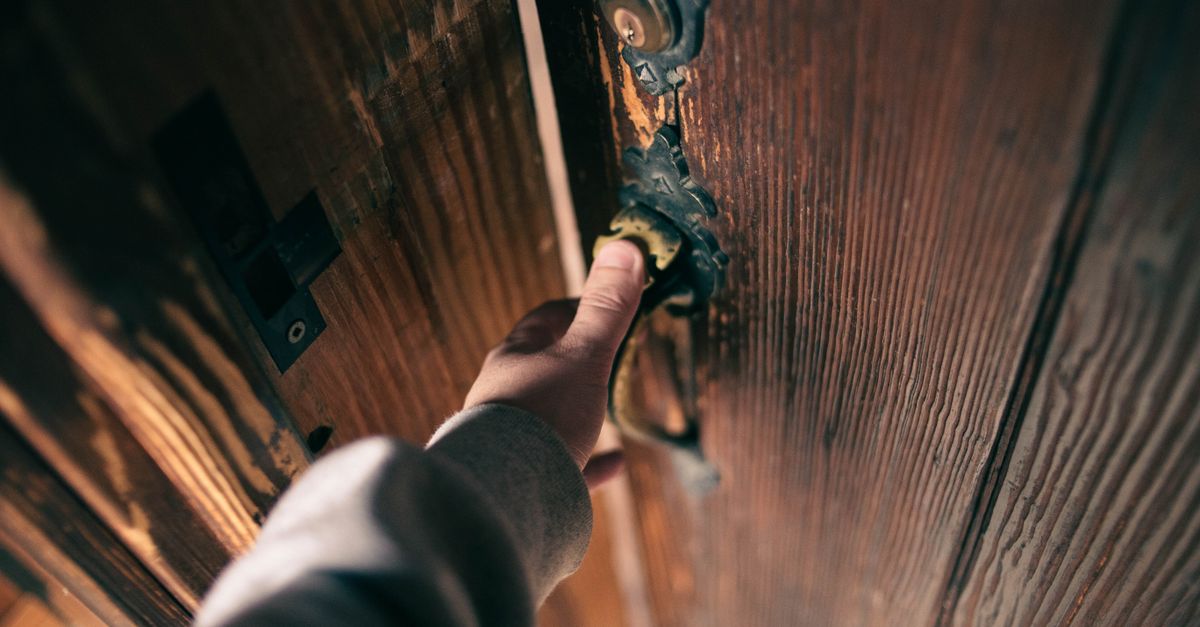
A mortise lock is a lock body that's set into a deep rectangular pocket — called a mortise — cut directly into the edge of a door. Unlike a standard cylindrical deadbolt or door knob lock that sits on the door's surface, the mortise lock set houses the latch, deadbolt, and sometimes a privacy bolt all within a single cast-metal chassis. This design gives it exceptional strength and functionality, which is exactly why builders used them as the default hardware throughout the late 19th and early 20th centuries. Many of the pre-war homes in the Highland Falls area still have original mortise lock sets on their front doors — and in many cases, those locks have been quietly working for 80 or 100 years with little more than occasional oiling.
The problem is that 'little maintenance' eventually catches up. Older mortise locks typically use a worn brass or steel cylinder, heavily compacted grease, and springs that have fatigued over decades of use. They may also have been repaired with mismatched parts at some point in their history, creating binding or misalignment that gets progressively worse. When a lock at this stage starts failing — whether it's an original Corbin Russwin mortise lock still stamped with its manufacturer markings or an unbranded period piece — understanding its internal architecture is the first step toward repairing rather than replacing it unnecessarily.